
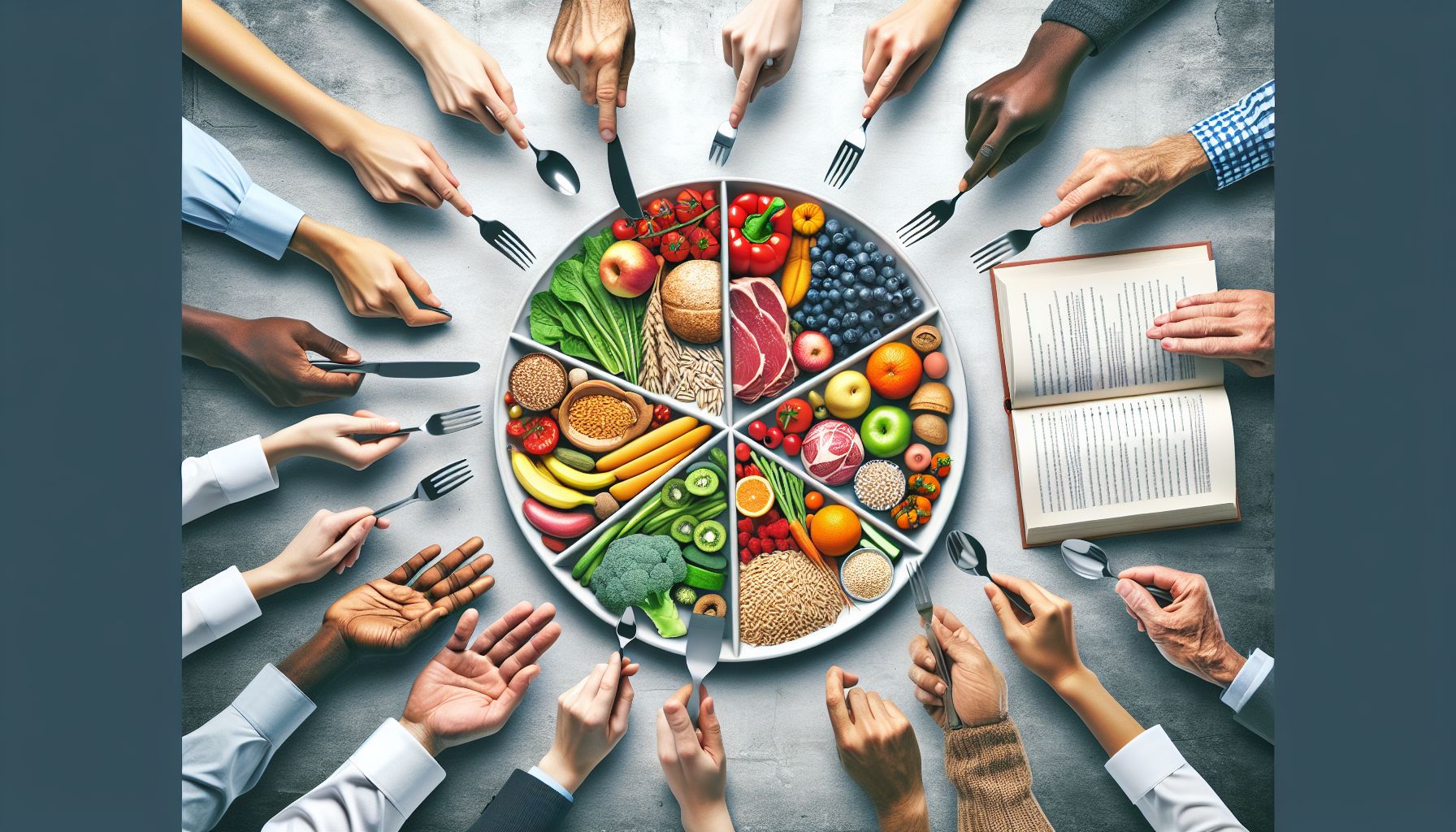
From low fad diets to clip-worthy YouTube recipes, discussions about food are plentiful in our current media landscape. Despite this, nutritional literacy – an understanding and awareness of the fundamental role that proper nutrition plays in our health and well-being – remains ill-defined, undervalued, and underestimated in schools, homes, and communities globally.
 The Inextricable Link: Food, Health, and Education
Western societies, in particular, are marred by an alarming paradox. On one hand, obesity and chronic dietary diseases (e.g., diabetes, heart disease) are on the rise, bulwarked by highly processed and nutritionally vacant foods. On the other, a “health and wellness” industry worth billions proliferates, promising quick-fix solutions to these self-same maladies. At the core of these seemingly competing epidemics is a lack of foundational knowledge about food.
Lack of food education contributes to widespread nutritional misunderstandings and unhealthy food relationships. Nutritional illiteracy leads to unbalanced diets and long-term negative health outcomes. This is why food education, from an early age, is critical in fostering a healthier society.
Bringing Food Education to the Forefront
Food should not be a mysterious entity we mindlessly consume nor a captivating villain we struggle to escape. Rather, it must be understood as a vital and pleasurable necessity. By enhancing food education, particularly in schools, we can equip individuals with a vital life skill that will not only contribute to their personal health but to the wellbeing of wider communities.
Food education promotes an awareness of what constituents a well-balanced diet, understanding of where food comes from and how it is grown. It molds knowledgeable consumers who make healthier choices that consider not only personal health but environmental sustainability.
Studies show that children who are knowledgeable in food education exhibit lower rates of diet-related diseases later in life. Moreover, schools that incorporate food education have observed increased interest and participation in science and environmentalism—a ripple effect promoting an educated and engaged youth population.
Cultivating a Culture of Food Literacy
As a society, we need to redefine our relationship with food. The first step is prioritizing food education in classrooms, communities, and households. Let’s cultivate a culture of food literacy, where understanding the nutrients our bodies require, recognizing the importance of balanced meals, and appreciating the journey from farm to table become second-nature.
After all, nutritional knowledge isn’t a luxury—it’s a necessity. It’s time to appreciate the power of the plate and invest in food education for a healthier, nutritionally literate society. For when we understand food, we can control our health and wellness with informed choice and autonomy rather than being captive victims of disease. In the realm of food education, knowledge certainly is power.