
As we stand in the midst of fast-paced global transformations, it is vital to reevaluate our relationship with what we eat. A shocking fact reveals that nearly 39% of adults aged 18 years and over were overweight in 2016, according to World Health Organization. This evokes the pressing need for an enhanced understanding of what we feed our bodies. This article embarks on a journey through Food Education, delving into the importance of nutritional understanding, its implementation in schools, and its influence on overall health.
 When we mention food education, it signifies more than just reading food labels or memorizing the food pyramid. It pivots towards acquiring a comprehensive understanding of food – its source, its journey from the farm to the table, the nutritional benefits, the environmental impact, and the cultural connection. A well-strategized food education enables individuals to make informed nutritional decisions leading to an improved quality of health and life.
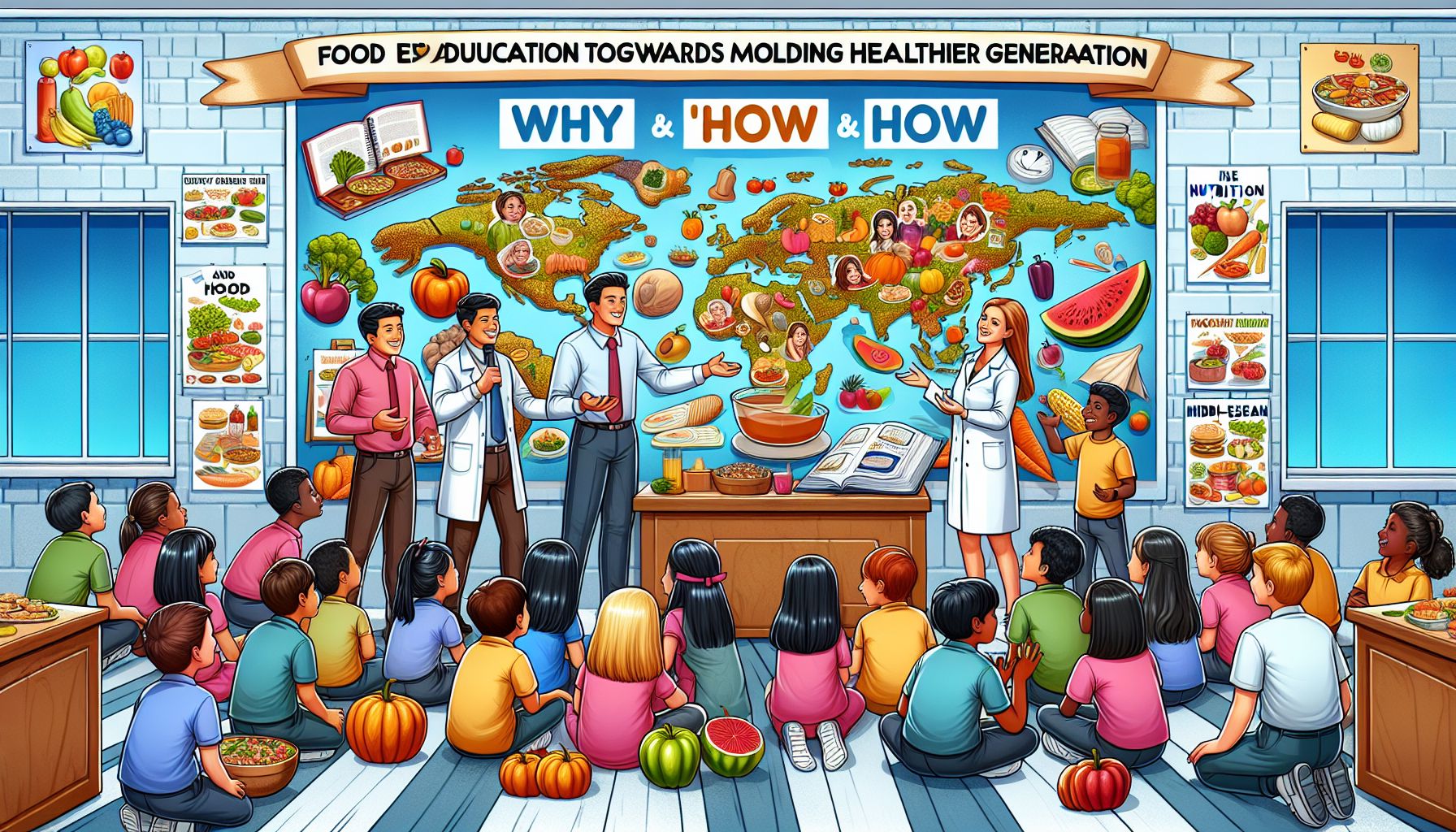
One vital arena for implementing food education is schools. As schools mold the future generation, it’s time that we make a paradigm shift from just serving meals to transforming it into an educative experience. School-based food education can rekindle the interest in healthier foods and encourage children to participate actively in their nutrition. By embedding food education within the curriculum, students could thoroughly comprehend the importance of balanced diets, acquire cooking skills, and garner a profound respect for food and the environment.
Incorporating food education extends beyond the school boundaries, influencing the lifestyle choices of individuals and directly impacting their overall health. Making healthy dietary choices could help ward off chronic illnesses such as obesity, heart diseases, diabetes etc., thereby enhancing the quality of life. Additionally, food education could play a pivotal role in addressing public health issues by fostering an empowered and health-conscious society.
Taking a step further, food education can also navigate us towards an eco-friendly lifestyle. With a growing cognizance about the environmental impact of our food choices, food education can guide us to adopt sustainable dietary habits. This could range from advocating a locally-sourced diet, endorsing organic foods, practicing mindful eating, reducing food waste, to the likes.
To wrap up, food education is not just an added layer of learning, but a necessity in our current world. It is a tool to shape healthier generations, equipped with the knowledge and power to make informed food choices. As we grapple with the challenges of rising health issues and environmental crises, let’s embrace food education as a step towards creating a healthier and sustainable world.
For those motivated by this reading, take a step towards food literacy. Incorporate it within your daily lives or advocate it within your communities. The world is in dire need of food-educated individuals who can not only uplift their health but also of those around them. Remember – when we change the way we eat, we change our world.