
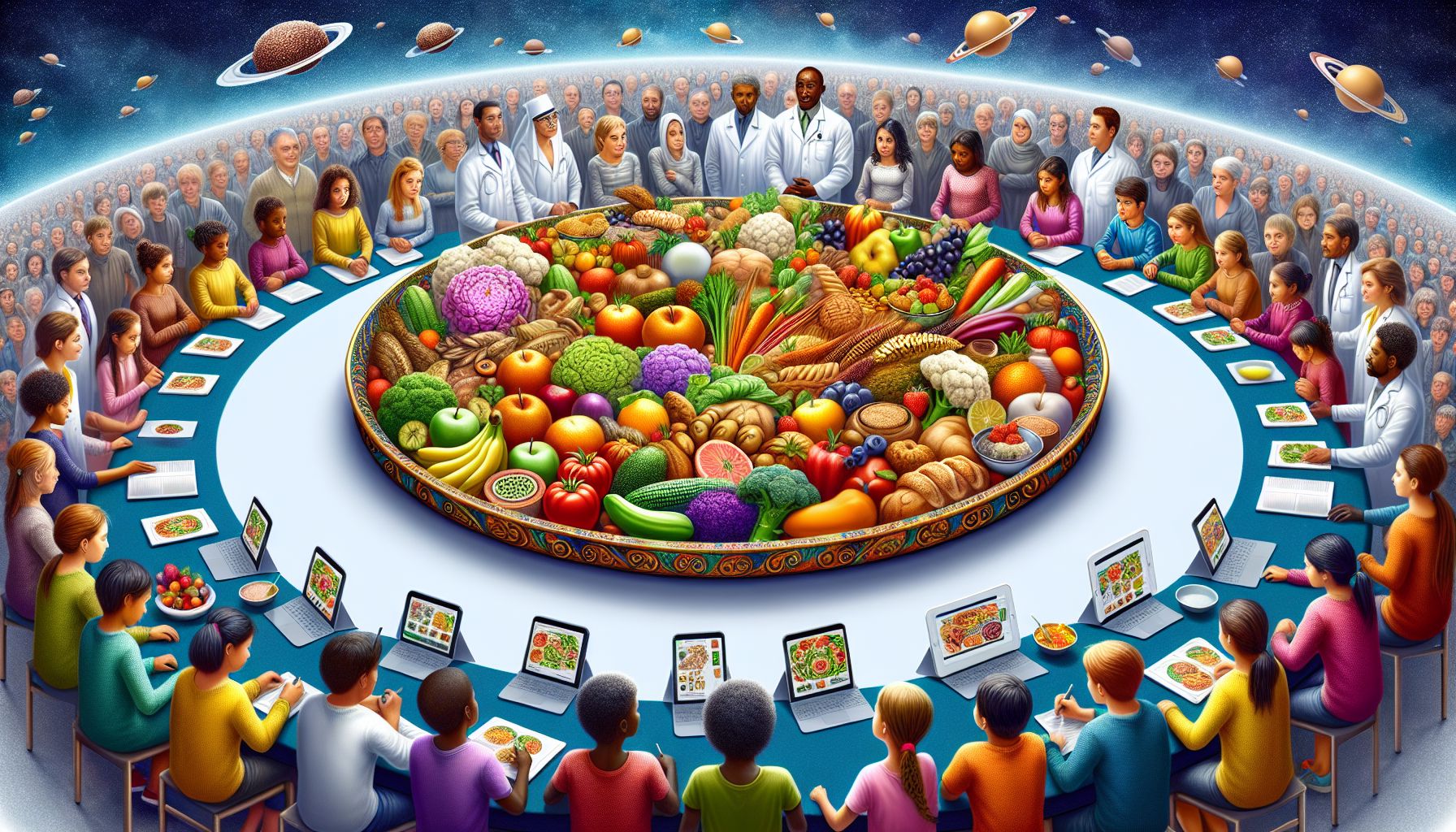
Today’s generation, frequently identified with convenience and fast pace, seem to be forgetting something essential for our well-being – our connection with food. We are increasingly becoming alienated not just from the food we eat but from the knowledge that surrounds it. So how can we close this vacuum and nourish this gap? This answer lies within the realm of Food Education.
 Food Education, to put it in simple terms, is about educating people about what they eat – where it comes from, how it’s made, and, most vitally, how it impacts our health and environment. Its importance is seldom underrated but largely overlooked. It is time to delve deeper into this crucial subject and explore how it is intricately interwoven with our lives and the world around us.
The significance of food education starts early in our lives. Integrating a comprehensive food education in schools can have a long-lasting impact on students. Sure, children may learn about different types of food groups in their science class, but we need more. Children need to learn about the source of their food, the amount of labor and resources it takes to reach their plate, and the impact of food choices on their health. These lessons are far more vivid when they’re played out in real-time, say in a school garden or a cooking class, where students can see, touch and experience the food lifecycle palpably.
However, the benefits of Food Education extends well beyond the school environment. A deep-rooted understanding of food, its source, and nutritional value is a tool for healthier choices in life. According to the World Health Organization, a staggering 39% of adults were overweight in 2016, with health problems associated with being overweight cost an estimated $2.0 trillion each year. Food education is the first line of defense in combatting this epidemic. It helps individuals and communities make informed choices, understand the necessity of balanced eating, decipher food labels, and even influence the marketplace through informed decisions.
But food education isn’t merely about health and nutrition. It plays an integral role in fostering cultural appreciation and environmental stewardship. Through food, we learn about different civilizations, traditions, and stories that shape a community’s identity. At the same time, understanding the environmental footprint of our food choices can encourage sustainable practices, like reducing food waste and promoting locally grown produce.
So, where do we go from here? In a world where we’re racing against time, we need to pause, take a breath, and work towards developing a food culture that respects and understands its roots and implications. Support programs that promote food education in schools, participate in community based projects where food is the medium of learning, and most importantly take time in instilling the essence of food education in your daily life.
We are what we eat, indeed. Hence, it is time to probe into the knowledge of what we consume, how we consume it, and its impact on our surroundings. It’s time to reconnect with our food, rekindle our lost relationship, and pledge towards a healthier, more sustainable, and culturally rich food future. More aptly put, it’s time we empower ourselves with the prowess of Food Education.