
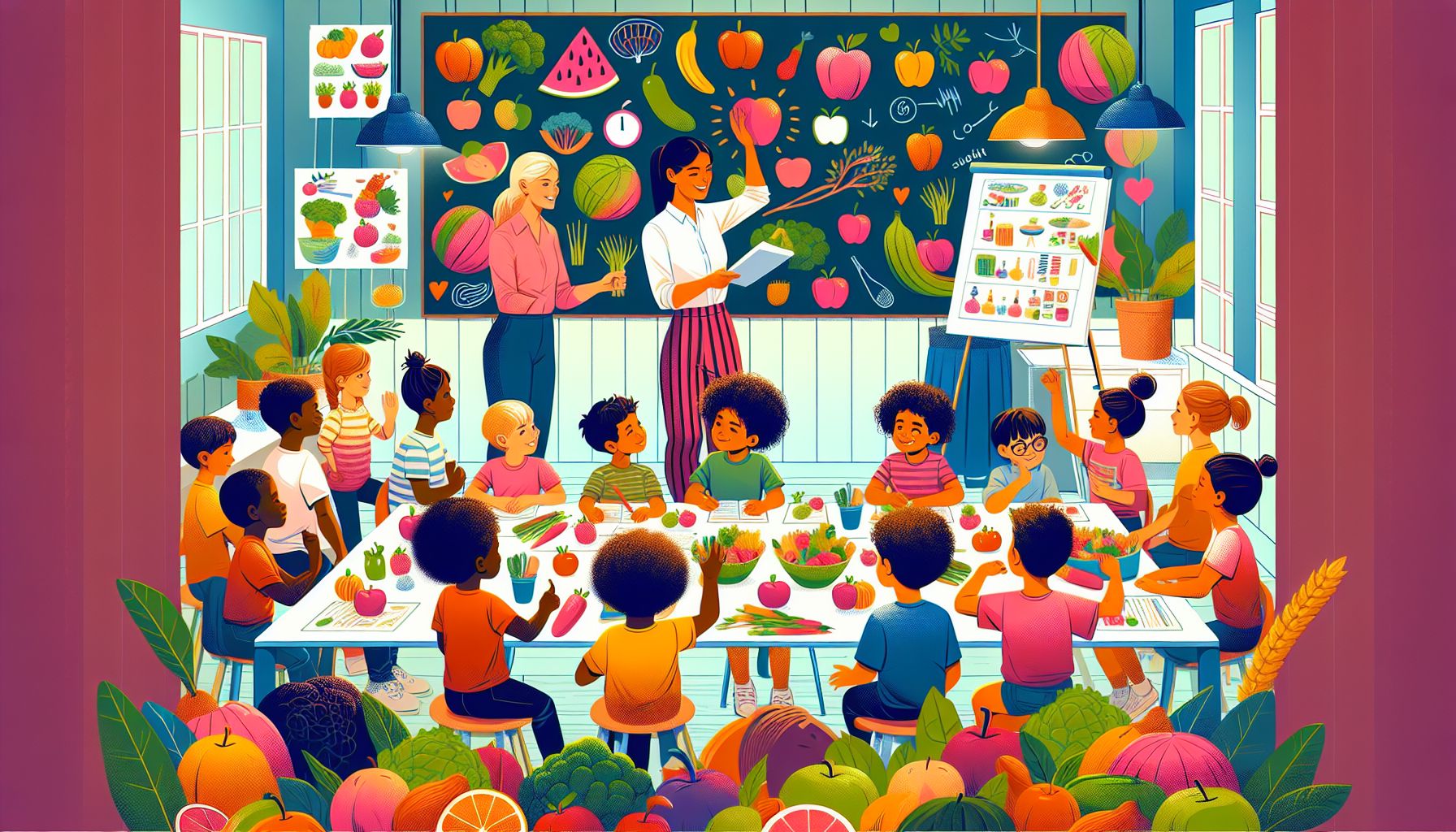
In this era of fast food and convenient meals, the art of ‘knowing what we eat’ has significantly faded, resulting in a plethora of health-related problems. In fact, according to the World Health Organization, around 2.8 million people die each year as a result of being overweight or obese. This fact underscores the gravity and relevance of grasping the nuances of food education in our world today.
 The Value of Nutritional Knowledge
Let’s first define what food education is. Simply put, it is the understanding of what we eat and how it affects our bodies. However, its consequences stretch far beyond just personal health. The knowledge of nutrition in schools can create a domino effect, positively impacting students’ physical health, academic performance, and mental wellness.
Moreover, with obesity being a pressing challenge in many countries, primarily due to unhealthy dietary habits, integrating food education in school curriculum can be a steppingstone in fostering a health-conscious generation. The European Commission’s DG Health and Consumers outlines in a report the importance of “nutritional education in schools” and “home economics” classes, stating they “can lead to healthier dietary behavior”.
Dietary Choices and Their Impact on Health
Beyond nutritional knowledge, the active application of this understanding to everyday eating habits is vital. Studies show the direct physical impact of improper dietary choices. According to the Journal of the American College of Cardiology, a diet high in processed food and sugar increases the risk of heart disease.
On the flip side, adopting healthier eating habits, like including more whole grains, fruits, and vegetables, can significantly lower the risk of chronic diseases such as diabetes and obesity as per the Centers for Disease Control and Prevention.
Food Literacy: A Cultural Compass
Food education also wraps within its folds the cultural importance of food literacy. Food is a vibrant way to express culture, to understand it and to share it. Acknowledging, respecting, and celebrating the diversity in food habits and preferences is crucial in building tolerance and acceptance in our multicultural society.
This enhanced food literacy can boost self-esteem in individuals while teaching them to respect and appreciate the cultural heritage of others.
A Call to Action
As our journey through food education concludes, it is clear from our discussions that food education is not a luxury but a necessity for the society of tomorrow. Understanding the complexities of food, its nutritional value, its cultural significance, and translating it into healthier dietary habits, is crucial for both the health of individuals and the broader community.
Now, it’s over to everyone who has read this — teachers, parents, policymakers — to act. Integrate food education in your curriculum, your homes, your policies. Encourage students, children, and citizens to eat wisely. Remember, the recipe for a healthy future starts with robust food education. The power of our health really lies in our own hands, or more specifically, in our own plates.