
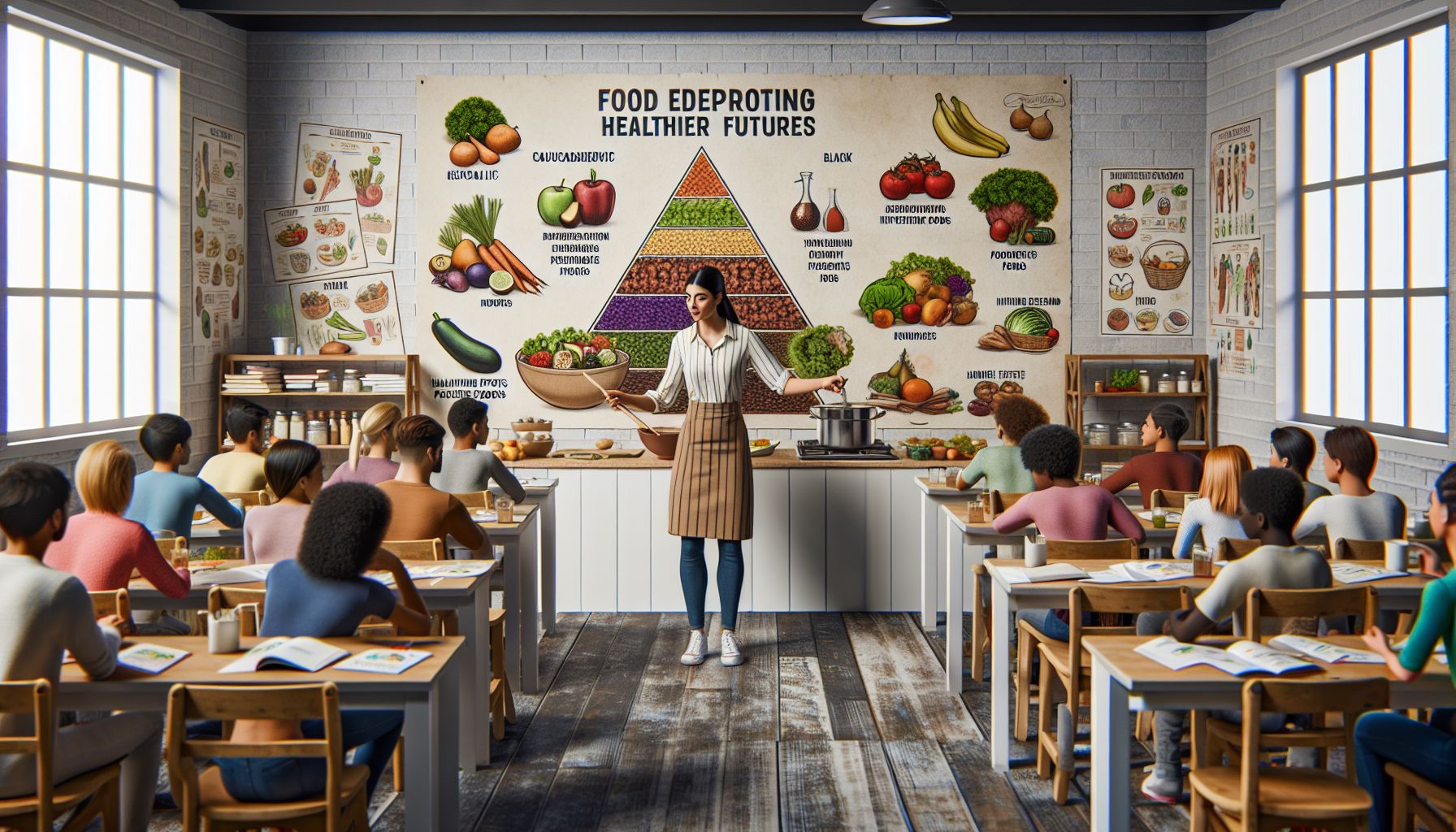
In an age where quick-fix dietary solutions and fast foods dominate our eating habits, have you ever paused to ask yourself – do you know what’s on your plate? This question might seem simple on the surface, but it cuts into a deep issue – the alarming deficit in food education.
The Importance of Food Education
Food education goes beyond the basics of identifying fruits and vegetables. Instead, it encompasses a broader understanding of where food business comes from, how it’s produced, and how the choices we make affect our health and the world around us. Our schooling system, unfortunately, often overlooks this significant aspect.
Growing evidence points to the importance of nutrition education in schools. A study published in the International Journal of Behavioral Nutrition and Physical Activity highlighted that children who received comprehensive nutrition education had healthier dietary habits compared to those who did not.
 Food Choices and Health Impact
Apart from delivering immediate health benefits, food education also acts as a prophylactic against chronic disease. According to the Harvard School of Public Health, diet plays a critical role in heart health and can impact the risk of heart disease. Equipping children with an understanding of nutrition can lead to healthier adults, reducing the strain on healthcare systems and promoting broad societal health.
Culinary Literacy and its Cultural Significance
But let’s not forget that food is not just about nutrients and health. It’s also a reflection of our culture and identity. For instance, culinary literacy is a key aspect of food education that encourages a deeper understanding of cultures and traditions. It offers a way for us to celebrate our cultural heritage while promoting respect and appreciation of diversity.
A Call to Action
The need for strategic action to address the lack of food education is evident. Governments, educators, and parents all play a key role in shaping a healthier future. Let’s begin by advocating for integrated food education in school curricula, community-led projects promoting healthier food choices, and a shift in societal mindset around the importance of what we eat.
In conclusion, expanding food education has the potential to reshape our dietary landscape and promote healthier, more informed choices. The time to bring food education into focus is now. On every level – individual, societal, and global – the benefits of food education are ripe for the picking. Let’s seize this opportunity to nourish the curiosity of the coming generations, leaving a legacy of health, respect, and understanding.