
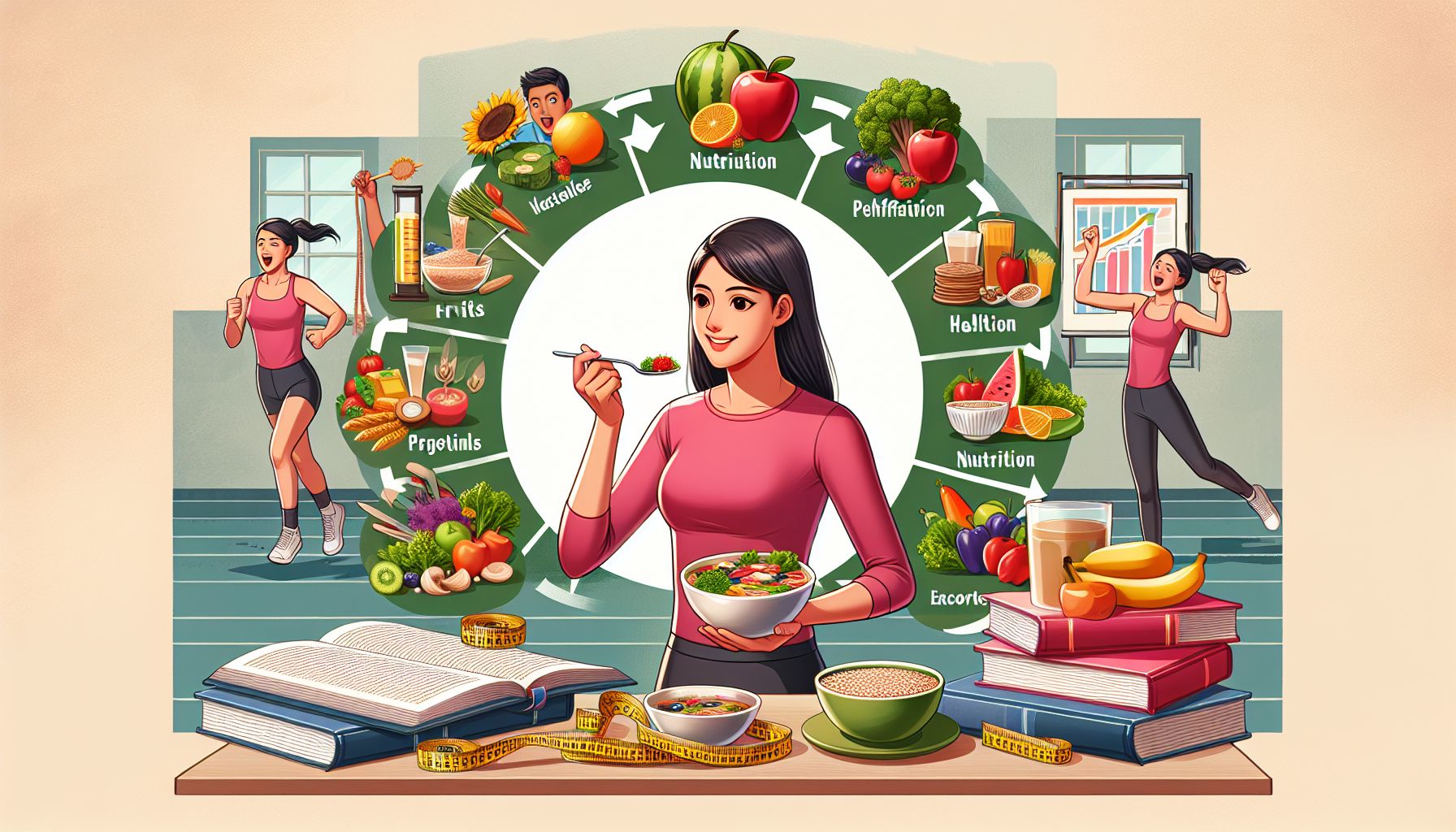
Are you aware of the direct correlation between nutritional education and a student’s overall health and academic performance? The rapidly evolving educational landscape compels us to redefine and broaden our understanding of learning. It’s high time we recognized the crucial role of food education and its long-term benefits in shaping healthier societies.
In recent years, nutrition literacy has emerged as a significant cornerstone of modern education. This shift acknowledges that proper nutrition is not merely a matter of personal choice, but a determinant of health and, consequently, academic outcomes.
The Benefits of Nutritional Knowledge in Schools
Research studies conducted in diverse socio-economic settings underline the importance of nutritional education. Students with a thorough knowledge of food nutrition, along with hands-on experience, demonstrate improved dietary behaviors and enhanced health. Some studies have even linked proper nutrition with improved cognitive functioning and better academic results.
Schools serve as the ideal setting for inspiring healthier food choices. By teaching children how to recognize nourishing foods, prepare simple meals, and understand labels, schools empower students to make informed decisions. Such lessons have profound implications, encouraging better dietary habits that extend beyond school years into adulthood.
Dietary Choices: A Reflection of Education and Health
The impact of dietary choices permeates various aspects of a student’s life: physical health, emotional well-being, academic performance, and future career prospects. For instance, scientific research draws a link between a diet low in processed food and sugars and a decrease in youth obesity rates. Further, students who maintain a balanced diet have reported lower rates of depression and higher overall happiness levels.
By propagating positive attitudes towards wholesome foods and balanced diets, schools can nurture resilient students, ready to tackle future challenges. After all, it’s not merely about teaching what to eat, but why and how consuming healthy food can bolster various aspects of our lives.
Food Literacy and Cultural Significance
Food literacy transcends the boundaries of nutritional facts and positive dietary habits—it encompasses a broader understanding of the cultural, economic, and environmental aspects of food production and consumption. It weaves a narrative that links our food choices to the local economy, sustainability, cultural diversity, and global food scarcity issues.
In equipping students with such knowledge, we are nurturing conscious consumers and responsible citizens who appreciate the interconnected nature of our global economics food system.
To sum up, integrating food education into regular curriculums is a silent revolution we must all be part of. As educators, parents, or simply members of society, let’s elevate the understanding of food beyond its basic function. Let’s harness the power of nutritional education to shape the wellness, performance, and awareness of future generations.
Given the multiple benefits and lasting impact of food education, I invite all readers to advocate for and engage more deeply with this critical topic. Let’s nourish the minds of our students, one health-conscious lesson at a time.