
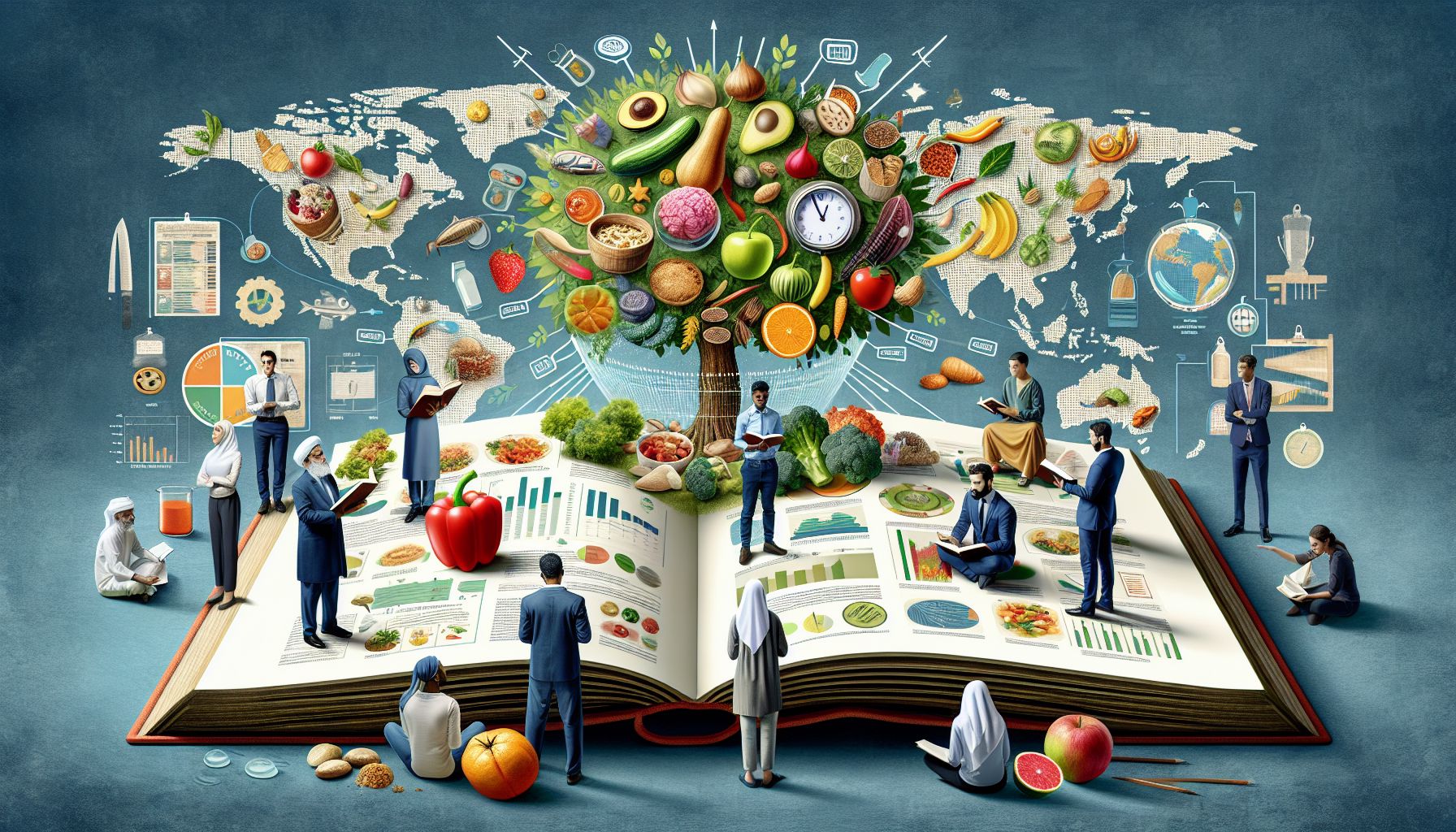
Food is the fuel that powers our body. But behind every mouthful of delicious meal is a gustatory story – a tale of culture, tradition, and health that everyone should learn about. This venture into understanding the complex world of food and its significance in our lives is what we call Food Education.
 Unveiling Food Education
Food Education refers to the comprehensive understanding of food which spans from production to consumption. It goes beyond merely knowing our favorite dishes or learning home cooking. It is about being aware of the nutritional content of what we eat, recognizing the social and cultural importance of food, and understanding its significant role in promoting health and preventing diseases.
Why Food Education Matters
The importance of food knowledge is immense. The World Health Organization links more than half of all deaths worldwide to an unhealthy diet. Most of these fatalities could have been prevented with the proper insights about food and nutrition. Notably, a comprehensive food education in early life bears several beneficial effects that can last into adulthood.
First, having a sound understanding of food promotes self-confidence and skills in preparing and cooking meals. These practical skills support the fundamentals of a healthy lifestyle. Moreover, food education provides a platform for cultural awareness, empathizing with different customs linked with food, and appreciating the diversity it brings.
Secondly, food education has a significant role in combating obesity and other diet-related health problems. Understanding the impact of various food choices can help individuals make better dietary decisions, leading to improved health conditions.
Lastly, it ensures food security. By learning the basics of home gardening, composting, and the use of sustainable food resources, we lay the foundation for a greener and more sustainable world.
The Need for Increased Food Literacy
Despite the obvious benefits, institutions and governments worldwide remain timid when addressing food education’s importance. Incorporating food literacy into school curriculums can significantly augment the awareness and knowledge of youngsters about their diet’s influence on their health.
Furthermore, efforts should also be made to increase food literacy in adults. Workshops, local initiatives, and online courses can be made available to educate adults about nutrition, mindful eating, sustainable practices, and the cultural aspect of food.
Food education is everyone’s responsibility. It is the key that will unlock the answers to healthier, happier, and more sustainable lives.
In our world, fraught with diseases and environmental crises, the call for proper food education has never been louder. Now is the time to not only satisfy our palates but also to feed our minds with insights about what we eat. Through food education, we can change the way we taste – and see – the world.